

Concrete and cold weather do not get along. Water in fresh concrete freezes before the mix has time to cure, the bond breaks down, and what looked like a solid driveway in November turns into a crumbling mess by April. New York winters punish concrete that was poured the wrong way.
Pouring concrete in New York winter is not impossible, but it requires the right mix, the right prep and the right curing method. Cutting corners on any of the three is what causes early failure. This guide covers what actually holds up through a New York winter and what to look for when getting estimates for new concrete work.
Why New York Concrete Fails Early
Concrete fails for predictable reasons in cold climates. The first is using the wrong mix. Standard three thousand PSI mix with no air entrainment cannot survive freeze-thaw. When water gets into the surface and freezes, it expands by nine percent. Without air pockets to absorb that expansion, the concrete pops and scales.
The second reason is poor base prep. A driveway poured on uncompacted soil, or without enough gravel for drainage, ends up cracking as the ground heaves and settles each season. The third is rushing the cure. Concrete needs to hold moisture for at least seven days to develop strength. Road salt accelerates the damage on weak concrete, eating into the surface every winter.
The Right Mix for Cold Weather
Concrete that survives New York winter starts with the right mix design. Four thousand PSI minimum on exterior pours. Air-entrained mix is non-negotiable for anything exposed to freeze-thaw. The air entrainment additive creates tiny air pockets throughout the concrete, giving the water somewhere to expand when it freezes. Without those pockets, the concrete cracks from the inside.
The mix should also include a water reducer to keep the water-to-cement ratio low. Less water means stronger concrete and better freeze-thaw resistance. For pours happening in cold weather, accelerator additives help the concrete reach strength faster before the first freeze arrives.
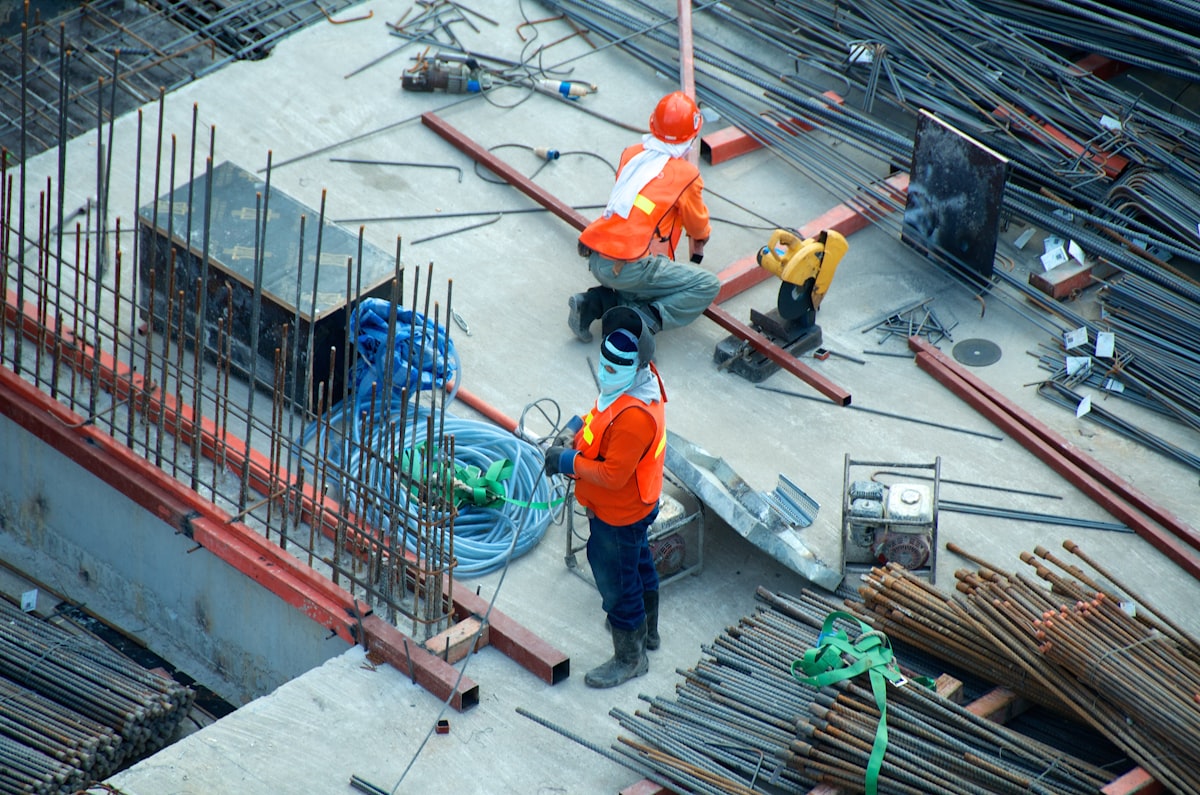
Base Prep and Reinforcement
What goes under the concrete matters as much as the mix on top. A proper base for a driveway in New York is four to six inches of compacted crushed gravel, graded for drainage. That base does two things. It gives the slab a stable surface that does not move with frost heave, and it lets water drain away instead of pooling under the slab where it can freeze and crack the concrete from below.
Reinforcement holds the slab together when cracks do form. Number four rebar on a grid pattern, or wire mesh for lighter applications, keeps small cracks from spreading into big ones. Control joints cut every eight to ten feet give the concrete planned places to crack, which prevents random cracking elsewhere.
Pouring and Curing in Cold Weather
Pouring concrete below forty degrees Fahrenheit requires extra steps. The ground should not be frozen when the pour goes down. Insulated blankets cover the slab during the first one to two days to hold heat in while the concrete sets. Curing compound sprayed on the surface seals in moisture and protects the slab during the critical first week.
For repairs or projects on a deadline, cold-weather pouring is possible with the right precautions. Cutting any of those precautions is what causes the early failures you see in New York every spring. Contact us for a free estimate on any concrete project.
Frequently Asked Questions
When does pouring concrete in New York winter stop being safe?
Below forty degrees Fahrenheit, the pour needs heating blankets, accelerator additives and active monitoring. Below twenty degrees, most contractors will not pour exterior concrete at all, even with precautions.
How do I tell if my concrete was poured the right way?
Check for scaling, popouts and surface flaking after the first winter. Concrete done right looks the same after several years. Concrete done wrong starts breaking down on the first freeze-thaw cycle.
Can road salt damage new concrete?
Yes. Salt accelerates freeze-thaw damage. The first winter after a new pour is the most vulnerable. Most contractors recommend avoiding salt on concrete less than one year old and using sand or kitty litter instead.
How long before I can use a driveway poured in fall?
Walking traffic after one to two days. Light vehicles after seven days. Full strength comes at twenty-eight days. Heavy use should wait until then, especially with cold weather slowing the cure.
Is it worth resealing concrete every year?
For driveways and walkways in New York, yes. A penetrating sealer applied every one to two years blocks water and salt from getting into the surface. The cost is small compared to a full replacement.